Akron OH Dispensary: Top Akron Weed Dispensaries & Marijuana Store Ohio

January 11, 2026 | William Crowley

Key Differences Between Head Shops and an Akron, OH Dispensary That Every Consumer Should Know

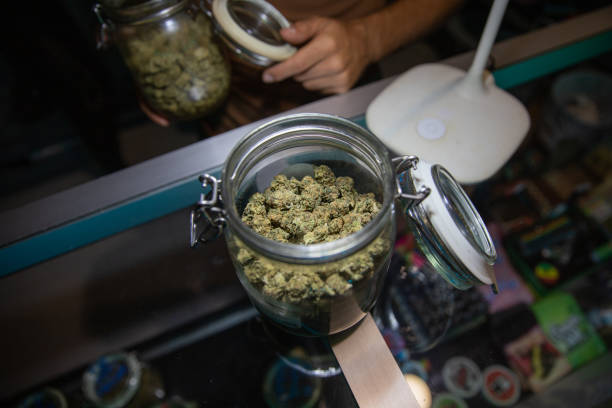
cannabis medical flower stock photo

The cannabis industry has seen significant growth and diversification, resulting in various types of establishments catering to different consumer needs. Among these, head shops and dispensaries stand out as two distinct businesses that often get confused by consumers. Understanding the core differences between these two types of establishments can help consumers make more informed decisions.

Purpose and Focus of a Marijuana Store in Akron

  • Head Shops: These are retail stores primarily focused on selling accessories and paraphernalia related to the consumption of cannabis or tobacco. Their inventory typically includes items like glass pipes, bongs, rolling papers, grinders, vaporizers, and other tools associated with smoking or vaping. Head shops generally do not sell cannabis products themselves.
  • Dispensaries: Dispensaries are licensed establishments that sell regulated cannabis products for medical or recreational use. Their focus is on providing high-quality cannabis flowers, edibles, concentrates, tinctures, topicals, and more. A dispensary often prioritizes product education alongside sales.

Understanding Licensing Requirements for an Akron Weed Shop

Feature Head Shops Dispensaries
Licensing Typically require a standard retail business license. Must obtain specialized state-issued cannabis licenses.
Legal Oversight Regulated primarily by general commerce laws. Subject to strict state-specific regulations regarding cannabis sales (age restrictions, testing protocols).

Dispensaries undergo rigorous licensing processes and compliance checks due to the nature of their products being classified as controlled substances in many jurisdictions.

Products Offered

  • Glassware (pipes, bongs)
  • Vaping devices
  • Rolling papers
  • Cleaning solutions for paraphernalia
  • Novelty items like apparel or stickers
  • Cannabis flower strains (indica, sativa, hybrids)
  • Edibles (gummies, chocolates)
  • Concentrates (wax, shatter)
  • CBD products
  • Pre-rolls
  • Topicals such as creams or balms

The distinction here is clear: dispensaries provide the actual cannabis product while head shops supply tools for consumption.

Consumer Experience

  • Head Shops: These stores tend to have a casual environment with minimal focus on education about cannabis consumption itself. Customer service is usually centered around helping customers choose the right accessory for their needs.
  • Dispensaries: Dispensaries offer a more curated experience with trained staff known as “budtenders.” Budtenders provide detailed information about product potency (THC/CBD content), methods of consumption, dosage recommendations (for beginners), and potential therapeutic benefits.

Legal Considerations

  1. Operate legally even in areas where cannabis remains illegal.
  2. Products sold are marketed for “legal herbs” or tobacco use to avoid legal complications.
  3. Only operate in states/countries where medical or recreational marijuana is legally permitted.
  4. Require consumers to be of legal age (21+ in most states) or possess a medical marijuana card if purchasing from a medical facility.

Summary Table

Aspect Head Shop Features Dispensary Features
Primary Focus Sale of smoking accessories Sale of regulated cannabis products
Licensing General retail business license Special state/cannabis-specific licensing
Product Examples Pipes, vaporizers Flower strains/edibles/concentrates
Cannabis Sales No Yes
Customer Interaction Minimal education Informative consultation

By understanding these key differences between head shops and dispensaries, consumers can better navigate their options depending on whether they seek tools for consumption or access to regulated cannabis products themselves.

Exploring What Makes Weed Dispensaries Akron Ohio Stand Out in the Cannabis Industry

Dispensaries play a pivotal role within the broader cannabis industry. Unlike other cannabis-related businesses, they serve as regulated storefronts where consumers can purchase cannabis products for medical or recreational use. Understanding what sets dispensaries apart from other entities, such as head shops or traditional retailers, is crucial for consumers who want to make informed purchasing decisions.

1. Regulatory Compliance and Licensing

  • State-Issued Licenses: Dispensaries must obtain specific licenses to sell recreational or medical cannabis.
  • Product Testing: All products are required to undergo laboratory testing to ensure they are free from contaminants like mold, pesticides, and heavy metals.
  • Age Restrictions: Recreational dispensaries typically only serve customers 21 years or older, while medical dispensaries may allow access to patients younger than 21 with valid documentation.
Feature Dispensary Requirement
Licensing Mandated by state authorities
Product Testing Must pass laboratory testing standards
Age Verification Government-issued ID required

2. Product Variety and Education

  • Flowers/Buds: The traditional form of cannabis commonly smoked.
  • Concentrates: High-potency extracts like waxes, shatter, or oils.
  • Edibles: Cannabis-infused food items like gummies, chocolates, or beverages.
  • Topicals: Creams and balms infused with cannabinoids for external application.

In addition to product variety, most dispensaries employ knowledgeable staff (often referred to as “budtenders”) who guide customers in selecting the right products based on their needs.

3. Legal Protections for Consumers

  • Legitimate Transactions: All purchases are recorded through secure systems that comply with tax regulations.
  • Consumer Safety: Stringent quality checks mean consumers receive safe-to-use products free from harmful additives.
  • Transparent Labeling: Products come with clear labeling showing THC/CBD content, dosage recommendations, and usage guidelines.

4. Focus on Community Engagement

  • Partnering with community organizations for outreach programs
  • Offering educational seminars about responsible cannabis use
  • Supporting local artisans through collaborations on packaging or promotional campaigns

Summary Table Comparing Features of Dispensaries

Aspect Key Features
Regulation Heavily regulated; must follow laws
Product Range Extensive; includes edibles & topicals
Staff Knowledge Budtenders trained in product education
Consumer Safety Lab-tested products; clear labeling

Dispensaries stand out in the cannabis industry due to their commitment to compliance, product quality, education-driven service models, and community engagement efforts. These factors collectively create an environment where consumers feel safe exploring the benefits of legal cannabis while making informed decisions tailored to their individual needs.

Exploring the Similarities Between Head Shops and Dispensaries for Better Consumer Knowledge

While head shops and dispensaries serve different purposes in the cannabis industry, they do share some common ground that can make them appear similar to the untrained eye. Understanding these similarities can help consumers make more informed decisions when engaging with either type of business. Below is a breakdown of how these two establishments intersect in their offerings, operations, and customer appeal.

Shared Focus on Cannabis Culture

  • Promotion of Cannabis Products:
    While head shops primarily sell accessories like glass pipes, grinders, rolling papers, and vaporizers, dispensaries provide actual cannabis products such as flower, edibles, concentrates, and tinctures. Both businesses cater to individuals who consume or appreciate cannabis.
  • Educational Resources:
    Both establishments often provide information about responsible consumption practices or product education. For instance:
  • Head shops may guide customers on how to use certain accessories safely.
  • Dispensaries employ staff (often referred to as budtenders) who educate consumers about strains, dosages, and product types.

Customer-Centric Approach

  • Personalized Assistance:
    Staff at both locations are trained to offer tailored recommendations based on customer preferences.
  • Focus on Aesthetics:
    Many modern dispensaries and head shops invest heavily in clean, visually appealing layouts designed to make customers feel comfortable while shopping.
Feature Head Shops Dispensaries
Personalized Service Staff advise on accessories Budtenders guide product choices
Community Engagement Events tied to cannabis culture Workshops or health consultations

Regulatory Compliance

Both businesses face strict regulations but address them differently due to the nature of their operations.

  • Licensing:
    While dispensaries require licenses to distribute legal cannabis products (medical or recreational), head shops must comply with laws regarding the sale of paraphernalia.
  • Age Restrictions:
    Both establishments enforce age restrictions:

    • Head shops typically restrict sales to adults aged 18 or older.
    • Dispensary access is usually limited to those aged 21+ (or appropriate legal age depending on jurisdiction).

Product Innovation & Trends

  • Vaporizers (available at both but used differently)
  • CBD products (some head shops carry non-THC options)
  • Accessories like stash containers or cleaning solutions

By keeping up-to-date with market demands, these businesses remain relevant despite serving distinct primary functions.

Understanding these similarities allows consumers to better navigate the broader landscape of cannabis-related businesses while recognizing what each has to offer based on individual needs.

How Dispensaries Operate: A Comprehensive Overview for New Consumers

Dispensaries play a pivotal role in the cannabis industry, offering a safe and regulated environment where consumers can purchase cannabis products. To better understand how dispensaries operate, it’s important to explore their structure, processes, and customer-focused practices. Whether you’re new to cannabis or simply looking to expand your knowledge, here’s a detailed overview of what makes dispensary operations unique.

Navigating the Legal and Regulatory Framework

  • Licensing Requirements: Dispensaries must secure state or provincial licenses before they can operate legally.
  • Age Restrictions: Customers are typically required to be at least 18 or 21 years old, depending on local laws.
  • Product Testing and Labeling: Cannabis products sold in dispensaries undergo rigorous testing for potency, safety, and contaminants. Labels must provide detailed information such as THC/CBD content, dosage recommendations, and ingredients.
  • Purchase Limits: Regulations often impose limits on how much consumers can buy within a single transaction or time period.

These regulatory measures create a trusted environment for customers while ensuring public safety.

The Role of Knowledgeable Staff

  • Educating customers about different strains, products, and consumption methods.
  • Offering recommendations based on individual preferences or medical needs.
  • Ensuring compliance with identification checks and purchase limits.

A well-trained team not only enhances customer satisfaction but also helps maintain compliance with regulatory requirements.

Product Selection in Dispensaries

Product Type Common Formats Key Features
Flower Pre-rolls, loose buds Favored for smoking; offers diverse strains
Concentrates Wax, shatter, oils High potency; suitable for experienced users
Edibles Gummies, chocolates, beverages Ideal for discreet consumption
Topicals Creams, balms Non-intoxicating; used for localized relief
Vape Products Cartridges Portable; lower odor than smoking

With such variety available under one roof, consumers can find options tailored to their preferences or specific needs.

Security Measures in Place

  • Surveillance systems monitoring all areas of the store.
  • Verification procedures at points of entry to prevent unauthorized access.
  • Secure storage solutions for inventory management.

These safeguards protect both customers and staff while minimizing risks associated with cash transactions and high-value inventory.

Customer-Centric Services

  1. Online Ordering Options: Many dispensaries provide online platforms where customers can browse products in advance or place orders for pickup/delivery.
  2. Educational Resources: Informational materials—both online and in-store—help new users learn about cannabis usage responsibly.
  3. Loyalty Programs: Discounts or rewards programs encourage repeat visits while fostering customer loyalty.

By focusing on education and convenience alongside product sales, dispensaries distinguish themselves from other retail models within the industry.

Understanding these operational aspects allows new consumers to approach dispensary visits with confidence while appreciating the professionalism that defines this sector of the cannabis market.

Trimming cannabis buds and storing them in a glass jars stock photo

Differences Between Head Shops and Dispensaries Explained in Detail

The cannabis industry is multifaceted, with various types of businesses catering to consumer needs. Among these are head shops and dispensaries, two distinct categories that often create confusion for consumers. Understanding the differences is crucial to making informed decisions as a customer or entrepreneur within the cannabis space. Below, we break down key distinctions between these establishments in detail.

Primary Purpose and Focus

One major difference between head shops and dispensaries lies in their primary purpose:
Head Shops focus on selling accessories and tools associated with cannabis use, such as glassware (pipes, bongs), vaporizers, rolling papers, grinders, and storage solutions. They do not sell cannabis products themselves.
Dispensaries, on the other hand, are retail outlets licensed to sell cannabis products directly to consumers for medical or recreational use. These products include flower (bud), edibles, concentrates, tinctures, topicals, and more.

Licensing Requirements

A significant distinction between the two lies in legal regulations:
Head Shops: These stores typically operate under standard retail laws since they do not sell any controlled substances. They may require specific business licenses depending on local laws but are not subject to stringent cannabis industry regulations.
Dispensaries: Dispensaries must adhere to strict licensing requirements set by state or local governments. This includes compliance with security measures, product tracking systems (such as seed-to-sale tracking), taxation policies specific to cannabis sales, and adherence to health regulations.

Product Offerings

Feature/Item Head Shop Dispensary
Glassware (Pipes/Bongs) Yes Rarely or No
Cannabis Flower No Yes
Edibles No Yes
Vaporizers Yes Sometimes
Grinders Yes Rarely

While there may be some overlaps (e.g., vaporizers sold at either type of shop), dispensaries carry consumable products derived from cannabis plants that head shops lack.

Legal Restrictions on Products

Dispensaries face tighter restrictions compared to head shops: – Cannabis sold at a dispensary is highly regulated regarding potency limits (e.g., THC content), packaging requirements (childproof containers), and sales limits per customer. – Head shops must avoid branding or marketing their items explicitly for drug use; this helps them comply with paraphernalia laws in certain jurisdictions.

Consumer Experience

The shopping experience also differs significantly: 1. At a Head Shop: Consumers often browse accessory displays freely without much regulatory oversight or need for identification unless purchasing age-restricted items like lighters. 2. At a Dispensary: Customers usually undergo an ID verification process before entering the retail area due to legal age restrictions tied directly to purchasing cannabis products.

Dispensary staff often include trained budtenders who provide detailed advice about strains, dosages, and consumption methods suited for individual consumer needs — a service absent from most head shops.

Community Roles

Both establishments play unique roles within communities: – Head Shops cater primarily to recreational users by supporting lifestyle needs through creative tools designed for cannabis consumption. – Dispensaries serve both medical patients seeking relief from ailments such as chronic pain or anxiety and recreational users looking for high-quality regulated products.

By understanding these distinctions, consumers can better navigate their options depending on whether they need tools/accessories or consumable cannabis products regulated under law.

Essential Features That Distinguish Dispensaries from Traditional Retailers

Dispensaries are a unique part of the retail landscape, offering products and services that set them apart from general retailers. Unlike traditional stores, dispensaries cater to a specialized market, often requiring adherence to strict regulations and providing a highly tailored customer experience. Below are some of the essential features that clearly distinguish dispensaries from conventional retail establishments.

Regulatory Compliance and Licensing

One of the most significant differences between dispensaries and traditional retailers is the level of regulatory oversight. Dispensaries must comply with a range of state and local regulations in order to legally operate.

  • Licensing Requirements:
    Dispensaries are generally required to obtain specific licenses for cultivation, manufacturing, distribution, or retail sales. These licenses vary depending on jurisdiction but ensure legal operation within the cannabis industry.
  • Age Restrictions:
    Customers must be at least 18 or 21 years old (depending on state laws) to enter most dispensaries.
  • Tracking Systems:
    Many dispensaries use seed-to-sale tracking systems to monitor their inventory closely and remain compliant with government mandates.

Specialized Product Offerings

  • Flower: Dried cannabis buds available in various strains such as indica, sativa, or hybrid.
  • Edibles: Cannabis-infused food items ranging from gummies to chocolates.
  • Concentrates: High-potency extracts like wax, shatter, and oils.
  • Topicals: Creams and balms infused with cannabinoids for localized treatment of pain or inflammation.
  • Pre-rolls: Ready-to-smoke joints containing ground cannabis flower.

This variety caters specifically to different consumer needs while ensuring quality consistency through lab testing.

Knowledgeable Staff (Budtenders)

  • Expert Guidance: Budtenders are trained professionals who assist customers in choosing products based on their desired effects or medical conditions.
  • Education Focused Service: Many budtenders help educate consumers about proper dosage levels, product usage methods, and cannabinoid content like THC/CBD ratios.

In contrast, staff at general retailers typically provide customer service without this level of specialized expertise.

On-Site Security Measures

Security is another area where dispensaries stand out from ordinary stores. Enhanced safety protocols are often mandated by law due to the high-value nature of their inventory combined with federal restrictions limiting banking access for cannabis businesses.

Key features include:
1. Surveillance cameras monitoring all areas inside and outside the establishment.
2. Secure storage facilities (e.g., vaults) for inventory management after hours.
3. On-site security personnel during operating hours.

These measures ensure compliance while creating a safe environment for both customers and employees.

Consumer Education Resources

Resource Type Example
Informational Pamphlets Guides on responsible consumption habits or strain-specific effects
Workshops/Events Classes covering topics like growing techniques or health benefits
Online Blogs/Videos Articles/videos discussing industry trends or new product launches

Such tools empower consumers by offering transparency about products and helping them make informed purchasing decisions—something not commonly seen in traditional retail settings.

Focused Experience Through Design

  1. Private Consultation Areas – Accessible spaces where customers can discuss personal needs discreetly.
  2. Modern Aesthetic – Clean interiors emphasizing professionalism over casual shopping experiences.
  3. Product Displays – Interactive showcases allowing consumers hands-on access before purchase without overwhelming stock shelves typical in big-box stores.

This intentional layout enhances overall customer satisfaction by fostering trustworthiness while promoting education-driven sales models—a stark contrast versus generalized approaches seen elsewhere.

Enhance Client Experience with Resources Every Cannabis Dispensary Akron, OH Should Offer

Customer satisfaction plays a pivotal role in the success of any business, and dispensaries are no exception. Providing valuable resources not only enhances the customer experience but also helps build lasting trust and loyalty. Below is a detailed overview of essential customer resources that every dispensary should prioritize.

Educational Materials

  • Product Guides: Detailed descriptions of strains, cannabinoids (like THC and CBD), terpenes, and their potential effects.
  • Consumption Tips: Instructions on how to use various products such as tinctures, edibles, concentrates, or vaporizers safely and effectively.
  • Health Information: Insights into how cannabis may interact with medications or support specific health conditions (e.g., anxiety relief or pain management).
  • Legal Guidance: Information about local laws regarding possession limits, consumption areas, and travel restrictions.

Educational brochures or web-based FAQs can empower customers to make informed decisions while promoting product transparency.

Knowledgeable Staff

  • Budtender Training Programs: Staff should be trained on product categories, dosing recommendations, legal compliance protocols, and customer service skills.
  • One-on-One Consultations: Offering personalized consultations can help customers choose products tailored to their preferences or medical needs.
  • Friendly Atmosphere: Creating an environment where clients feel comfortable asking questions makes the experience more approachable for first-time visitors.

Loyalty Programs

Loyalty Program Feature Description Example
Point-Based Rewards Customers earn points per dollar spent 10 points = $1 credit
Exclusive Discounts Special offers for members 20% off all pre-rolls on Fridays
Early Access Priority access to new product releases Member-only strain launches

Such incentives not only encourage repeat visits but also foster a sense of community among regular patrons.

Digital Tools

  • Online Menus with Live Inventory: Updated menus ensure customers know exactly what products are available before visiting the store.
  • Mobile Apps: Apps with features like personalized product recommendations or order tracking simplify purchasing.
  • Educational Videos/Content Hubs: Dispensaries can leverage videos or blogs explaining product benefits or usage instructions.
  • Text Alerts & Email Campaigns: Keep clients informed about promotions or restocks through direct communication channels.

Digital tools allow modern consumers to engage with dispensaries conveniently while boosting operational efficiency.

Community Support Services

  1. Hosting workshops on responsible consumption practices.
  2. Partnering with healthcare providers for consultations related to medicinal cannabis use.
  3. Organizing events like cannabis education seminars or live Q&A sessions with industry experts.
  4. Supporting local causes through donations or sponsorships.

Fostering community relationships encourages mutual trust between the dispensary and its clientele.

By implementing these essential resources—ranging from staff expertise to loyalty programs—dispensaries can enhance client experiences while standing out in an increasingly competitive market environment. Providing knowledge-driven tools alongside exceptional service sets the foundation for sustainable growth within this evolving industry landscape.

Customer Resources Every Dispensary Should Offer to Enhance Client Experience

1. Educational Materials

Cannabis consumption can be complex, particularly for new users or those exploring medical applications. Dispensaries should provide comprehensive educational resources to empower customers with knowledge.

  • Printed Guides: Brochures or pamphlets on cannabis strains, dosages, consumption methods, and legal guidelines.
  • Digital Content: Access to blogs, FAQs, infographics, and videos on the dispensary’s website or social media platforms.
  • Workshops or Classes: Regularly scheduled events educating consumers about proper use, safety measures, and emerging trends in cannabis research.

2. Expert Consultations

Personalized guidance can significantly elevate a customer’s shopping experience.

  • Budtender Support: Trained staff who can answer questions about products, explain their effects, and recommend options based on individual needs.
  • On-Site Medical Professionals: For dispensaries catering to medical patients, having a pharmacist or healthcare professional available for consultations is invaluable.

3. Loyalty Programs

Building lasting relationships with customers often requires incentives that make them feel valued.

Tier Benefits Offered Example Perks
Basic Points earned per purchase Discounts on future purchases
Premium Exclusive product access Free swag items (e.g., apparel)
VIP Invitations to special events Higher discount rates (e.g., 15%-20%)

These programs not only reward repeat purchases but also encourage customers to choose one dispensary over competitors.

4. Accessibility Features

Ensuring all customers can comfortably navigate the dispensary is another critical factor in enhancing client satisfaction.

  • Wheelchair ramps and wide aisles for mobility support.
  • Multilingual staff or materials for non-native speakers.
  • Online ordering systems for those unable to visit in person.

5. Community Engagement Initiatives

Dispensaries that actively engage with their community foster goodwill among local residents and customers alike.

  • Hosting community outreach events such as cleanups or charity drives.
  • Partnering with local businesses for cross-promotions.
  • Sponsoring educational campaigns about safe cannabis use.

6. Product Information Transparency

Modern consumers increasingly value transparency regarding how products are sourced, tested, and labeled.

Key information dispensaries should provide includes: – Cultivation methods (organic vs. conventional). – Lab test results verifying THC/CBD content and safety (free from pesticides/heavy metals). – Clear labeling of potential allergens or additives in edibles/products.

7. Supportive Technology Tools

  • POS Systems: Speedy checkouts enhance convenience during peak times.
  • Mobile Apps: Allowing customers to browse inventory or place orders online.
  • Text Alerts/Email Updates: Keeping clients informed about promotions or restocked products they’re interested in.

By investing in these customer-oriented solutions, dispensaries position themselves as trustworthy establishments focused on consumer well-being while navigating an evolving industry landscape.


January 11, 2026 | William Crowley

Exploring the Best Marijuana Store Akron Offers: Medical Marijuana, CBD, and Delta-8 Insights

background top view A drug dealer holds a packet of marijuana weed on a dark stock photo

The cannabis market has grown rapidly in recent years, with medical marijuana, cannabidiol (CBD), and Delta-8 THC emerging as some of the most prominent products. Each of these compounds offers unique properties and potential benefits, making it essential to understand their distinctions, uses, and safety considerations. Below is a breakdown of key information you need to know about these cannabis-based products.

Exploring Medical Marijuana, CBD, and Delta-8 THC at an Akron Weed Shop

  • Medical Marijuana:
    Medical marijuana refers to the use of the whole cannabis plant or its extracts to manage symptoms associated with various medical conditions. It contains both tetrahydrocannabinol (THC) – the psychoactive compound responsible for the “high” – and other cannabinoids like CBD. Medical marijuana is typically prescribed for conditions such as chronic pain, nausea related to chemotherapy, multiple sclerosis symptoms, or epilepsy.
  • CBD (Cannabidiol):
    CBD is a non-intoxicating cannabinoid derived from hemp or marijuana plants. It has gained popularity due to its potential therapeutic effects without causing a “high.” Common uses include managing anxiety, inflammation, sleep disorders, and seizures (e.g., in cases of Dravet syndrome).
  • Delta-8 THC:
    Delta-8 THC is a minor cannabinoid that occurs naturally in small amounts within cannabis plants. It has psychoactive effects similar to traditional Delta-9 THC but is considered milder in intensity. Many users report that Delta-8 provides a more clear-headed experience compared to Delta-9.
Compound Psychoactive? Legal Status* Common Uses
Medical Marijuana Yes Varies by state/country Chronic pain management; nausea relief
CBD No Federally legal (if derived from hemp) Anxiety reduction; sleep improvement
Delta-8 THC Mildly State-dependent Relaxation; mild euphoria

*Legal status may vary depending on specific regions or countries.

Key Differences Among the Three

  1. Medical Marijuana: Produces strong psychoactive effects due to higher levels of Delta-9 THC.
  2. CBD: Non-intoxicating; does not alter mental clarity.
  3. Delta-8 THC: Causes mild intoxication but typically less potent than traditional marijuana.
  4. CBD is often extracted from hemp plants containing less than 0.3% THC.
  5. Medical marijuana comes primarily from cannabis strains with high levels of cannabinoids.
  6. Delta-8 can be derived both from hemp and cannabis but often requires chemical conversion due to its low natural concentration.
  7. While all three may offer relief for certain conditions, their specific effects vary greatly:
    • CBD excels in reducing anxiety and inflammation.
    • Medical marijuana helps manage severe symptoms like chronic pain or chemotherapy-induced nausea.
    • Delta-8 provides a less intense alternative for those seeking mild euphoria or relaxation.

Safety Considerations

  1. Source Verification: Always purchase products from reputable dispensaries or brands that provide third-party lab testing results.
  2. Dosage Guidelines: Start low and go slow – especially with new products like Delta-8 or high-potency medical marijuana strains.
  3. Medical Marijuana: Drowsiness, dizziness, increased appetite.
  4. CBD: Dry mouth, gastrointestinal issues at higher doses.
  5. Delta-8 THC: Light-headedness or fatigue if consumed excessively.

Understanding these details ensures consumers can safely navigate their choices when exploring medical marijuana, CBD, or Delta-8 options tailored to their needs and preferences.

Exploring Options at an Akron, OH Dispensary: Medical Marijuana, CBD, and Delta-8 THC

When navigating the world of cannabis-based products, understanding the distinct characteristics of medical marijuana, CBD (cannabidiol), and Delta-8 THC is essential. These products differ in their chemical composition, effects on the body, legal status, and intended uses. Below is a detailed guide to help highlight these differences.

What Are Medical Marijuana, CBD, and Delta-8 THC?

  1. Derived from Cannabis sativa or Cannabis indica plants.
  2. Contains higher levels of THC (tetrahydrocannabinol), the compound responsible for its psychoactive effects.
  3. Often prescribed for chronic pain management, nausea from chemotherapy, multiple sclerosis symptoms, and certain mental health conditions like PTSD.
  4. A non-intoxicating compound derived from hemp or marijuana plants.
  5. Does not produce a “high” effect associated with THC.
  6. Commonly used for managing anxiety, inflammation, seizures (e.g., in epilepsy patients), and sleep disorders.
  7. A milder psychoactive cannabinoid found naturally in small amounts within cannabis plants.
  8. Similar but less potent than Delta-9 THC (the primary psychoactive substance in marijuana).
  9. Gaining popularity for its potential to relieve stress and provide relaxation without intense intoxication.

Comparing Effects

Product Effects Psychoactivity Level
Medical Marijuana Pain relief, euphoria; can cause sedation High
CBD Relaxation without intoxication None
Delta-8 THC Mild euphoria; calming sensation Moderate

Key Differences Between Medical Marijuana, CBD, and Delta-8

  1. Psychoactive Properties:
    Medical marijuana contains significant amounts of Delta-9 THC—the compound responsible for its “high.” On the other hand, CBD is non-intoxicating and does not produce such effects. Meanwhile, Delta-8 offers a middle ground with mild psychoactivity but less intensity compared to traditional marijuana.
  2. Legality:
    The legal status varies widely:
  3. Medical marijuana: Legal in several states with medical cannabis programs but still federally classified as a Schedule I substance in the U.S.
  4. CBD: Federally legal under the 2018 Farm Bill if derived from hemp with no more than 0.3% Delta-9 THC content.
  5. Delta-8: Exists in a gray area; it is generally considered legal when derived from hemp but banned in some states due to its psychoactive properties.
  6. Dosage Considerations:
    Dosage can vary significantly among these products:
  7. Medical marijuana requires personalized dosing guided by healthcare professionals.
  8. CBD doses are typically lower and standardized based on product concentration.
  9. For Delta-8 users seeking mild effects without overconsumption risks should start small (e.g., edible doses ranging 5–10mg).
  10. Therapeutic Uses:
    Medical marijuana is often reserved for patients requiring high-potency relief from serious conditions like cancer-related nausea or chronic pain disorders. In contrast:

    • CBD works well as an over-the-counter remedy suitable even for daily use by individuals seeking wellness benefits without impairment.
    • Delta-8 caters to those looking for moderate relaxation along with slight euphoria—ideal when full-strength cannabis isn’t necessary or legally accessible.

Choosing the Right Product

To select between these options: 1. Assess your needs: Are you managing severe pain or simply seeking calmness? 2. Review local laws regulating purchase/possession limits where applicable. 3. Consult a qualified practitioner who can guide dosages appropriate based on individual tolerance/preferences/preferences

How to Find Safe Cannabis-Based Products at Weed Dispensaries Akron Ohio

Ensuring the safety and quality of cannabis-based products, including medical marijuana, CBD, and Delta-8 THC, is critical when integrating these items into your health regimen. With the growing popularity of these products, it is essential to evaluate their safety to ensure they meet high standards. Below are key factors to consider when assessing the safety of cannabis-based products.

Check for Third-Party Lab Testing

  • Certificate of Analysis (COA): Ensure that the product has a COA readily available either on its packaging or website.
  • Details on Cannabinoid Content: The COA should have information about CBD, THC, or Delta-8 levels to confirm they match what’s advertised.
  • Contaminant Analysis: Verify that the product is free from harmful substances like mold and chemicals.

Research Ingredients

  • Organic ingredients wherever possible
  • Natural flavoring agents instead of artificial ones
  • Absence of allergens or irritants that might cause adverse reactions

Evaluate Manufacturing Standards

Factor to Assess What to Look For
Hemp Source Hemp grown in countries with strict regulations (e.g., U.S., Canada)
Extraction Method Clean processes like CO2 extraction over chemical-based methods
GMP Certification Companies adhering to Good Manufacturing Practices (GMP) ensure higher quality control

Consider Dosage Recommendations

Safe cannabis consumption depends on proper dosing tailored to your needs:
1. Always start with a low dose and gradually increase as necessary under professional supervision. 2. Understand how different delivery methods (e.g., tinctures vs edibles) affect absorption rates. 3. Follow any guidelines provided by licensed dispensaries or healthcare providers.

Avoid Misleading Marketing Claims

Beware of products claiming unrealistic benefits such as curing diseases or providing instant relief without side effects. Legitimate manufacturers avoid making unsubstantiated claims about their efficacy.

Consult Trusted Sources

Before purchasing or using any cannabis-based product:
– Seek advice from healthcare professionals who are knowledgeable about medical marijuana or cannabinoids. – Review customer feedback and complaints regarding specific brands. – Reference government websites or reputable organizations for updated regulatory guidelines.

By following these considerations, consumers can make informed decisions regarding safe usage while minimizing risks associated with substandard cannabis-based products.

A opened jar filled with raw marijuana buds on a desk inside a coffee shop stock photo

Exploring the Legal Side of Medical Marijuana, CBD, and Delta-8 Products

The legal landscape surrounding medical marijuana, CBD, and Delta-8 THC can be complex and varies significantly depending on your location. Understanding these legal nuances is critical for both consumers and businesses to ensure compliance with local, state, and federal laws.

Federal vs. State Laws

  • Federally illegal but legally permitted in various states for medicinal purposes.
  • Requires users to obtain a medical marijuana card through a licensed physician in states where it’s legal.
  • Access may be limited to dispensaries regulated by the state.
  • Legal federally if derived from hemp containing less than 0.3% THC per the 2018 Farm Bill.
  • States may impose additional restrictions on CBD manufacturing and distribution standards.
  • A gray area legally at the federal level due to its derivation from hemp-derived CBD. Some interpret its legality under the same provisions as hemp products.
  • Banned or restricted in several states despite being technically federally permissible.

State-Specific Regulations

Product Fully Legal States Restricted States Prohibited States
Medical Marijuana Most states with medical programs Some (limited conditions) Federally illegal unless state-approved
CBD All (if <0.3% THC) Some require registration Outlawed under stricter laws
Delta-8 THC Permitted in certain states Regulated or age-restricted Several have banned outright

It’s important to research your local laws before purchasing any cannabis-based product.

Factors Driving Legal Uncertainty

  1. Federal Classification Conflicts: Despite growing acceptance at state levels, federal classification as a controlled substance creates confusion for producers and users alike.
  2. Lack of Standardized Regulations: State-by-state differences cause inconsistency in labeling requirements, safety testing standards, and advertising rules.
  3. Emerging Market Trends: Newer cannabinoids like Delta-8 THC are raising questions about regulatory oversight due to limited research or established legal frameworks.

Tips for Consumers Navigating Legal Complexities

  • Verify your local regulations regarding cannabis-based products before making purchases.
  • Only buy from reputable vendors who provide third-party lab testing results.
  • Consult an attorney if you’re uncertain about specific legality issues related to possession or usage.

When and Why You Should Visit a Cannabis Dispensary in Akron, OH

As cannabis-based products such as medical marijuana, CBD, and Delta-8 THC become more popular for managing various health concerns, consulting a healthcare professional is essential. A conversation with your doctor ensures that these products align with your health needs, medical history, and treatment goals. Here’s when and why you should consider discussing these options with your doctor.

When to Talk to Your Doctor

  • You Have a Chronic Condition
    If you are managing a chronic condition such as arthritis, epilepsy, or chronic pain, your doctor can help determine whether cannabis-based products are appropriate. Certain conditions respond better to specific cannabinoids like CBD or Delta-8 THC.
  • You Are Taking Other Medications
    Cannabis compounds can interact with prescription medications. For instance, CBD may inhibit enzymes responsible for metabolizing some drugs. Your doctor can assess potential risks of drug interactions and adjust your prescriptions if necessary.
  • You’re Pregnant or Breastfeeding
    There is limited research on the safety of cannabis use during pregnancy or breastfeeding. If you are expecting or nursing, it’s especially critical to seek medical advice before considering any cannabis-based product.
  • You’re New to Cannabis-Based Products
    Beginners may not know where to start in terms of dosage or product type (e.g., tinctures vs. edibles). A healthcare provider can guide you on proper usage based on your symptoms and health needs.

Why Consulting Your Doctor Matters

  1. Personalized Recommendations
    Doctors can tailor their advice based on your medical history and current health conditions. They may recommend specific cannabinoids like CBD for anxiety or Delta-8 THC for mild pain relief.
  2. Dosage Guidance
    Cannabinoids have varying potencies depending on the product type and method of consumption (vaping vs oral capsules). A physician can suggest appropriate dosages that help avoid overuse while maintaining therapeutic benefits.
  3. Understanding Potential Side Effects
    Some people experience side effects from compounds like THC, including dizziness, fatigue, or dry mouth. Discussing these risks upfront helps ensure safe usage while minimizing discomfort.
  4. Legal Compliance
    The legality of medical marijuana, CBD, and Delta-8 THC varies by state or region. Physicians familiar with local laws can provide guidance on obtaining legal access to these substances.

Questions to Ask During Your Appointment

  • What specific cannabis-based products might work best for my condition?
  • Are there any known interactions between cannabinoids and my current medications?
  • What dosage should I start with? How do I adjust if needed?
  • Are there local dispensaries or reputable brands you recommend?
  • How will we monitor progress if I decide to use cannabis-based products?

Keeping Track of Results

Action Plan Description Example Tools
Track Symptoms Monitor changes in pain levels/symptoms Journals/Apps
Note Side Effects Document any adverse reactions Symptom Tracker Apps
Follow Up With Doctor Regularly review progress and adjust treatment Scheduled Check-ins

This systematic approach ensures that you’re using these products effectively under professional supervision while gaining maximum therapeutic benefits tailored specifically for you.

Common Uses and Benefits of Medical Marijuana, CBD, and Delta-8 THC

Cannabis-based products like medical marijuana, CBD (cannabidiol), and Delta-8 THC are increasingly recognized for their wide range of uses and therapeutic benefits. Each product type offers unique properties that can address different health concerns. Below is an exploration of their common applications and the potential advantages they provide.

Medical Marijuana: Uses and Benefits

  • Pain Management: Frequently used by individuals with chronic conditions such as arthritis, migraines, or neuropathy.
  • Symptom Relief in Cancer Patients: Helps alleviate nausea caused by chemotherapy while stimulating appetite.
  • Reducing Muscle Spasms: For conditions like multiple sclerosis or spinal cord injuries.
  • Eases symptoms of anxiety.
  • May assist in managing PTSD (post-traumatic stress disorder).

Note: Effects of medical marijuana can vary widely depending on dosage, strain type (indica vs. sativa), and individual patient needs.

CBD: Benefits Without Psychoactive Effects

CBD is a non-intoxicating cannabinoid found in cannabis plants. It appeals to users who seek therapeutic benefits without the psychoactive “high” associated with THC.

  1. Anti-inflammatory Properties: Effective for managing conditions like arthritis or inflammatory skin disorders such as eczema.
  2. Promotes relaxation.
  3. Supports better sleep patterns for individuals with insomnia.
  4. The FDA has approved a CBD-based drug called Epidiolex for certain forms of epilepsy.
  5. Found in skincare products to reduce redness or irritation.
  6. Used as a natural remedy for general stress relief.
Common Forms of CBD Popular Uses
Oils/Tinctures Anxiety relief, sleep aid
Topicals Pain relief, skincare
Edibles Long-lasting relief

Delta-8 THC: A Milder Alternative to Traditional THC

Delta-8 THC is a cannabinoid known for its milder psychoactive effects compared to Delta-9 THC (the main psychoactive compound in marijuana). Users often describe it as relaxing without the overwhelming sensation some experience with high doses of traditional THC.

  • Mild Pain Relief: Suitable for users seeking less intense analgesic effects than medical marijuana offers.
  • Appetite Stimulation: Similar to medical marijuana but typically less intense.
  • Reduced Nausea: Especially helpful for individuals undergoing treatments like chemotherapy.
  • Induces calmness without excessive sedation.

It’s worth noting that while Delta-8 offers many potential advantages similar to those of regular THC products, more research is still needed to fully understand its long-term effects.

Comparing Use Cases Across Products

Symptom/Condition Medical Marijuana CBD Delta-8 THC
Chronic Pain
Anxiety
Nausea Limited
Severe Inflammation Limited Limited
Appetite Stimulation Limited

Final Thoughts

Each product—medical marijuana, CBD, and Delta-8—serves different purposes depending on an individual’s health goals and tolerance levels. Consulting with a healthcare professional can help ensure you select the most appropriate option tailored to your specific condition or wellness objectives. Always prioritize quality when purchasing these products to achieve optimal safety and effectiveness.

Where to Buy High-Quality Medical Marijuana, CBD, and Delta-8 Products

Finding a reliable source for medical marijuana, CBD, and Delta-8 THC products is crucial for ensuring quality, safety, and efficacy. With the growing popularity of cannabis-based products, many options have emerged in the market. Below are important considerations and tips to help you identify reputable places to purchase these products.

1. Licensed Dispensaries

Licensed dispensaries are often the best option for purchasing high-quality cannabis-based products. They adhere to strict regulations and offer lab-tested items to ensure safety and compliance.

  • Products undergo rigorous testing for potency, purity, and contaminants.
  • Knowledgeable staff can provide personalized advice based on your needs.
  • Availability of a wide range of strains, concentrations, and formats.
  • Search online directories specific to your state or locality.
  • Verify licenses through local government websites.

2. Reputable Online Retailers

Many online retailers specialize in CBD or hemp-derived Delta-8 THC products. While this can be convenient, buyers should exercise caution when purchasing from e-commerce platforms.

  • Clearly displayed third-party lab test results (Certificates of Analysis).
  • Transparent sourcing information (e.g., organic hemp farms).
  • Positive customer reviews with detailed feedback.
Feature Trusted Retailer Unreliable Retailer
Lab Testing Provided
Clear Product Descriptions
Verified Customer Reviews

3. Health Stores Specializing in Natural Products

Some health-focused stores carry CBD or Delta-8 THC products as part of their wellness offerings. These stores typically sell hemp-derived items that comply with federal laws (less than 0.3% THC).

  • Ensure that the store has knowledgeable staff who understand cannabinoid science.
  • Look for organic certifications or non-GMO labels on product packaging.

4. Avoiding Risks: What to Watch Out For

  • Be wary of extremely low prices — they may indicate substandard materials or processes.
  • Avoid vendors without transparent labeling or independent lab testing.
  • Do not purchase from unverified social media accounts or unknown sellers advertising unrealistic claims.

Why Quality Matters

High-quality medical marijuana, CBD, and Delta-8 THC not only deliver more effective results but also reduce the risk of side effects caused by impurities such as pesticides or heavy metals commonly found in unregulated products.

By prioritizing trusted sources such as licensed dispensaries or reputable online retailers, you can confidently select safe and effective cannabis-based solutions tailored to your needs.


January 11, 2026 | William Crowley

How Cannabis Dispensary Akron, OH Ensures Product Safety and Maintains High Quality Standards

Several varieties of Cannabis Sativa, in glass tubes. stock photo

Rigorous Testing Procedures

  • Potency Testing: Verifies the levels of cannabinoids (e.g., THC, CBD) to provide accurate labeling for consumers.
  • Contaminant Screening: Ensures products are free from harmful contaminants like pesticides, heavy metals, mold, and bacteria.
  • Terpene Profiles: Identifies terpene content, which contributes to flavor, aroma, and potential therapeutic effects.

A robust testing regime ensures that customers receive clean, properly labeled products that align with their preferences and needs.

Compliance with State Regulations

  • Child-resistant packaging for all products
  • Clear labeling with potency levels, batch numbers, expiration dates
  • Maintaining records of origin for traceability from seed to sale

These steps not only safeguard consumers but also build trust in the dispensary’s commitment to transparency and accountability.

Staff Training Programs

  • Identifying signs of improper storage or contamination
  • Educating customers on proper use and storage techniques at home
  • Communicating clearly about dosage recommendations based on consumer needs

A well-trained staff reduces the risk of errors while enhancing customer confidence in the products offered.

Regular Audits and Inspections

Audit Type Purpose Frequency
Inventory Audits Verifying stock accuracy Weekly or Monthly
Compliance Audits Ensuring adherence to regulations Quarterly
Facility Inspections Checking cleanliness & storage Daily

By conducting frequent reviews of operations, dispensaries can quickly identify any lapses in safety or quality policies.

Prioritizing Customer Feedback

  1. In-store surveys or comment cards
  2. Online reviews on dedicated platforms
  3. Direct communication via phone or email support

This feedback loop enables dispensaries to address specific issues proactively while continuously improving their processes.

Dispensaries that prioritize rigorous testing protocols, clear compliance practices, staff education programs, regular audits, and open customer communication set themselves apart as trusted providers of safe and high-quality cannabis products.

Finding the Best Quality Suppliers and Cultivators at an Akron, OH Dispensary

To consistently deliver high-quality cannabis products, dispensaries must establish rigorous protocols for selecting and partnering with reputable suppliers and cultivators. This step is vital to ensure product reliability, promote customer trust, and maintain compliance with industry regulations. Below are some key practices dispensaries employ to achieve this goal.

How to Choose the Best Suppliers and Cultivators for a Marijuana Store Akron

  • Licensing and Compliance: Ensuring that suppliers and cultivators hold valid licenses and adhere to all local, state, or federal regulations.
  • Cultivation Practices: Prioritizing partners who use sustainable cultivation methods such as organic farming, pest management without harmful chemicals, and environmentally friendly practices.
  • Product Testing: Verifying that all products undergo third-party lab testing to confirm potency, purity, cannabinoid profiles, and the absence of contaminants like pesticides or heavy metals.
  • Reputation: Considering reviews from other businesses in the industry as well as historical performance in delivering consistent quality products.

Fostering Connections at Your Trusted Akron Weed Shop

  • Regular Audits: Conducting periodic audits of supplier facilities to ensure ongoing adherence to quality standards.
  • Open Communication Channels: Maintaining clear communication regarding product specifications, strain availability, packaging requirements, delivery schedules, and any potential issues.
  • Joint Initiatives: Collaborating with cultivators on exclusive strains or new product innovations tailored to customer preferences.

Benefits of Strategic Partnerships

Benefit Explanation
Consistent Product Quality Reliable sources minimize variations in product quality or potency levels.
Enhanced Customer Satisfaction High-grade products build loyalty among customers.
Streamlined Operations Trustworthy partners reduce logistical complications or supply-chain delays.

Challenges in Supplier Selection

  1. Market Volatility: Fluctuations in supply due to crop failures or regulatory changes can affect availability.
  2. High Costs: Premium-grade cannabis often comes at a higher price point.
  3. Evolving Standards: As testing technologies improve, standards may shift rapidly requiring continuous adjustments.

Emphasis on Accountability

Finally, dispensaries often implement agreements that outline clear expectations for quality control measures. Service-level agreements (SLAs) can specify details such as minimum testing requirements or penalties for non-compliance.

By prioritizing strong alliances with top-tier suppliers and cultivators while maintaining robust accountability systems, dispensaries take proactive steps toward meeting customer expectations while ensuring product safety at every stage of the supply chain.

Creating and Maintaining Optimal Storage Conditions for Cannabis Products

Proper storage of cannabis products is critical to preserving their potency, flavor, and overall quality. Dispensaries must implement strict protocols to ensure that every product sold maintains its intended effects and meets safety standards. Below, we explore the key practices used by dispensaries to create and maintain optimal storage conditions for cannabis products.

The Importance of Controlled Environments

  • Loss of potency: Active compounds like THC and CBD degrade over time when exposed to heat or light.
  • Mold and mildew growth: High humidity creates a breeding ground for harmful microorganisms.
  • Deterioration of flavor and aroma: Terpenes, which give cannabis its unique scent profiles, can evaporate if not stored correctly.

To address these risks, dispensaries invest in controlled environments that preserve the quality of cannabis from cultivation to sale.

Key Storage Practices

  1. Ideal storage temperatures fall between 60°F and 70°F (15°C–21°C).
  2. Products are kept away from heat sources such as sunlight or equipment-producing heat.
  3. Relative humidity (RH) levels are maintained between 59%–63%.
  4. Humidity packs may be included with flower products to maintain ideal moisture balance during storage or packaging.
  5. UV light degrades cannabinoids and terpenes over time. Dispensaries use opaque or UV-resistant containers for long-term preservation.
  6. Products are stored in dark spaces whenever possible.
  7. Airtight containers reduce oxygen exposure which may cause oxidation or drying out of plant material.
  8. Child-proof packaging ensures both safety compliance and preservation.
  9. Edibles, extracts, pre-rolls, flower, and other product types are stored separately to avoid cross-contamination or mixing of aromas.

Monitoring Systems

Advanced technology plays an essential role in maintaining optimal conditions: – Humidity & Temperature Sensors: Devices continuously monitor RH levels and temperature inside storage areas. – Automated Alerts: Dispensaries use monitoring systems that send notifications if environmental factors shift outside acceptable ranges. – Data Logging & Analysis: Historical data helps dispensary managers identify trends or issues with specific batches over time.

Factor Ideal Range/Condition Tools Used
Temperature 60°F–70°F Thermometers
Relative Humidity (RH) 59%–63% Hygrometers & humidity control packs
Light Minimal/UV-protected Opaque jars; UV-resistant glass
Air Exposure Airtight Vacuum-sealed or child-proof containers

Staff Training on Storage Protocols

Dispensary staff undergo training programs focused on proper handling techniques: – How to store different product types (flower vs concentrates).
– Recognizing compromised packaging (e.g., broken seals). – Regularly inspecting inventory to check for any signs of degradation.

By adhering strictly to these principles, dispensaries can ensure that their customers receive high-quality products while extending shelf life effectively—promoting trust within the community they serve.

Asian man choosing cannabis buds, with cannabis equipment and accessories on the table. stock photo

Educating Customers at Weed Dispensaries Akron Ohio: Building Knowledge for Better Choices

Dispensaries play a pivotal role in educating customers about cannabis products, ensuring they have the tools to make informed decisions. Customer education goes beyond simply describing the effects of a product; it involves fostering an understanding of usage, dosage, safety, and overall wellness considerations. By building knowledge, dispensaries help customers make better choices tailored to their needs.

Why Customer Education Matters

  • Safety: Proper understanding of dosage and consumption methods reduces risks associated with misuse.
  • Transparency: Informed consumers are more confident in their purchases when they understand what they’re buying.
  • Customer Retention: Educating customers helps build trust, leading to stronger relationships and repeat business.
  • Public Awareness: Knowledge-sharing promotes the safe and responsible use of cannabis within the broader community.

Effective Ways Dispensaries Educate Customers

1. In-store Consultations

  • Choosing between indica, sativa, or hybrid strains.
  • Understanding THC vs. CBD ratios.
  • Exploring different consumption methods like smoking, vaping, edibles, or tinctures.

2. Educational Materials

  • Dosage recommendations for new users.
  • Product labeling (e.g., terpene profiles and potency).
  • Safe storage tips to maintain product quality at home.

3. Workshops and Events

  • The science behind cannabis compounds (e.g., cannabinoids and terpenes).
  • Health benefits for medical patients versus recreational users.
  • Trends in sustainable cultivation practices.

These events help foster deeper engagement between dispensary staff and the community.

4. Online Resources

Resource Type Topics Addressed
Blogs Benefits of microdosing; Cannabis laws
Dosage Calculators Estimating THC/CBD intake per serving
Product Explainers How concentrates differ from flower

Online platforms also serve as hubs for regulatory updates or news about new inventory arrivals.

Empowering Customers Through Transparency

Beyond providing facts about products themselves, it’s essential that dispensaries emphasize transparency regarding sourcing practices, testing results (e.g., lab reports), and compliance with local regulations. This ensures that customers understand not only what they’re consuming but also how it aligns with industry standards for safety.

Encouraging Ongoing Dialogue

Finally, customer support shouldn’t end at checkout. Dispensaries that encourage feedback—through surveys or open dialogue—help empower patrons to share experiences with products while continuously improving educational efforts.

By creating an open environment where questions are encouraged and knowledge is valued, dispensaries contribute both to individual well-being and the larger goal of normalizing cannabis use responsibly across society.

Implementing Feedback Systems to Continuously Monitor and Improve Quality

Dispensaries play a critical role in delivering high-quality cannabis products to consumers. To ensure they maintain consistent quality standards and meet customer expectations, implementing robust feedback systems is essential. These systems not only help dispensaries understand the needs of their customers but also provide actionable insights for improvement.

Benefits of Feedback Systems

  • Quality Assurance: Regular feedback allows dispensaries to identify areas where product quality or service excellence may be lacking.
  • Product Improvement: By gathering input on specific products, dispensaries can work with suppliers to enhance offerings or replace underperforming items.
  • Enhanced Customer Satisfaction: Listening to customers helps in building trust and retaining loyal clients by addressing their concerns promptly.
  • Operational Efficiency: Constructive feedback can highlight inefficiencies in processes, such as delays in delivery or issues with inventory management.

Methods for Collecting Feedback

  1. Distribute surveys online or at the point of sale.
  2. Focus on questions related to product quality, service experience, and store ambiance.
  3. For example: | Question | Scale (1-5) | Additional Comments | |———————————-|————-|———————-| | How satisfied were you with our product selection? | 1 (Not Satisfied) – 5 (Very Satisfied) | | | Were our staff knowledgeable? | 1 (Poor) – 5 (Excellent) | |
  4. Place suggestion boxes at visible locations within the store.
  5. Encourage honesty by allowing anonymity.
  6. Monitor platforms like Google Reviews, Yelp, or Instagram for customer comments.
  7. Respond promptly to both positive and negative reviews.
  8. Train staff members to engage customers in casual conversations about their preferences or concerns.
  9. This method often yields honest and immediate responses.

Utilizing Feedback for Improvement

  • Categorization of Feedback: Group responses into themes such as product quality, pricing, customer service, or facility cleanliness.
  • Prioritizing Issues: Address critical areas first—e.g., resolving complaints about defective products should take precedence over minor suggestions like adjusting store music.
  • Collaboration with Suppliers: Share detailed customer feedback about specific products with suppliers or cultivators to refine quality control processes.
  • Training Enhancements for Staff: Use feedback highlighting gaps in employee knowledge as an opportunity for additional training sessions focused on cannabis education or customer engagement skills.

Tracking Progress Through Feedback Loops

  • Sharing updates on initiatives implemented based on user suggestions via newsletters or social media posts.
  • Introducing periodic follow-up surveys focusing on whether recent changes have met expectations.
  • Using metrics like Net Promoter Score (NPS) over time to assess overall satisfaction trends among repeat buyers.

By embedding a culture of listening into their operations through effective feedback systems, dispensaries can continuously evolve while meeting both regulatory requirements and consumer demands consistently.


January 11, 2026 | William Crowley

Staying Compliant with Cannabis Regulations: Tips for Growers, Consumers, and Your Akron, OH Dispensary

Ready to Smoke stock photo

Compliance with cannabis regulations is critical for both growers and consumers. The cannabis industry operates under a complex web of laws, which vary significantly across local, state, and federal levels. Staying compliant ensures not only the legitimacy of your operations but also helps maintain public trust in the industry.

Compliance Considerations for Weed Dispensaries Akron Ohio Growers

  • Licensing:
    Securing appropriate licenses is the first step toward compliance. Each jurisdiction has distinct licensing requirements, including cultivation permits, zoning approvals, and renewal stipulations.
  • Cultivation Limits:
    Many states impose limits on the number of plants you can cultivate or the square footage allowed for growing operations. Exceeding these limits could result in fines or license suspension.
  • Testing Requirements: Cultivated cannabis must often undergo rigorous testing to ensure it is free from harmful contaminants such as pesticides or heavy metals. Non-compliance with testing standards can lead to rejected batches or legal penalties.
  • Recordkeeping:
    Maintaining detailed records of every stage of cultivation—seeds, growth cycles, harvests—can demonstrate due diligence during inspections.
Compliance Factor Legal Requirement Example
Licensing Annual renewal required in most states
Cultivation Limits California limits some growers to six mature plants
Testing Requirements Products must be tested for THC potency & contaminants
Recordkeeping Track seed-to-sale activities meticulously

Key Compliance Considerations for Consumers at a Cannabis Dispensary Akron, OH

Cannabis consumers must also adhere to legal boundaries to avoid penalties while ensuring safe usage.

  • Legal Age Restrictions:
    Most jurisdictions mandate a minimum age (typically 21) to purchase or consume cannabis products.
  • Purchase Limits:
    State laws often cap how much cannabis a consumer can purchase within a single transaction or over time (e.g., one ounce in many U.S. states).
  • Consumption Locations:
    Public consumption is broadly prohibited. Be aware that using cannabis in restricted areas—such as parks or near schools—can incur fines.
  • Transportation Laws:
    Transporting cannabis requires care; products should remain sealed and stored away from passenger spaces while driving.

How to Stay Compliant at Your Marijuana Store in Akron

  1. Stay informed about updates to local and state regulations.
  2. Use advanced tracking tools that monitor compliance metrics (especially useful for businesses).
  3. Attend workshops or consult legal professionals specializing in the cannabis industry.
  4. For consumers, purchase only from licensed dispensaries to ensure product safety and legality.
  5. Avoid crossing state lines with cannabis unless explicitly permitted by law.

By understanding these elements and actively taking steps to remain compliant, both growers and consumers can contribute toward a safer, more sustainable cannabis ecosystem while avoiding legal issues associated with non-compliance.

Exploring How Regulatory Bodies Impact an Akron Weed Shop

The cannabis industry operates within a complex framework of regulatory oversight intended to ensure public safety, product quality, and responsible business practices. Whether you’re a grower, distributor, retailer, or consumer, understanding the key regulatory bodies that oversee this sector is crucial for maintaining compliance and avoiding legal pitfalls.

Key Regulatory Bodies in the Cannabis Industry

  1. Federal Agencies
    While cannabis is still federally illegal in some countries (such as the U.S.), certain federal agencies play an indirect or direct role in regulating aspects of the industry:
  2. Food and Drug Administration (FDA): Oversees cannabis-derived products like edibles and CBD products to ensure they meet safety standards.
  3. Environmental Protection Agency (EPA): Regulates pesticide use on cannabis crops to ensure environmental health.
  4. Drug Enforcement Administration (DEA): Enforces laws regarding controlled substances where applicable.
  5. State/Provincial Cannabis Boards
    Many jurisdictions have their own cannabis control boards or commissions that manage licensing and implementation of local policies. Examples include:
  6. California Bureau of Cannabis Control (BCC) – USA
  7. Alcohol and Gaming Commission of Ontario (AGCO) – Canada
  8. Local Authorities
    Municipalities often set additional regulations for cannabis businesses within their borders, such as zoning laws or operational restrictions (e.g., hours open to the public). Compliance with local ordinances is essential for avoiding fines or shutdowns.
  9. Health Departments
    These departments monitor product safety through requirements like lab testing for contaminants such as mold, pesticides, heavy metals, and THC content accuracy.
  10. Taxation Bodies
    Agencies like state revenue departments oversee taxation policies related to production and sales in the cannabis industry.

Roles Played by Regulatory Bodies

  • Licensing: Most businesses need permits from multiple agencies at different levels—local rules might dictate zoning restrictions while state boards issue cultivation or retail licenses.
  • Product Testing Requirements: Regulations mandate third-party lab testing for quality assurance before selling products to consumers.
  • Record-Keeping Compliance: Many jurisdictions require meticulous tracking from seed-to-sale using specialized software systems approved by governing authorities.
  • Packaging & Labeling Standards: Guidelines often include child-resistant packaging requirements alongside detailed labeling on ingredients, warnings about usage risks, THC potency levels, etc.

Challenges Businesses Face with Compliance

  • Frequent updates to federal/state/local laws
  • Complicated multi-step licensing processes
  • High costs associated with meeting compliance standards like lab testing fees
Challenge Area Example Impact Mitigation Strategy
Licensing Delays Slows down time-to-market Ensure applications are error-free
Testing Costs Increases operational expenses Budget appropriately; negotiate contracts with labs
Overlapping Regulations Difficulty reconciling state/federal laws Work closely with legal experts

Best Practices for Staying Informed

  • Subscribe to newsletters from relevant regulatory bodies.
  • Participate in industry associations that advocate on behalf of businesses.
  • Employ compliance officers or consultants who specialize in navigating this specific sector.

Being proactive about understanding and working with these governing authorities will help both cultivators and consumers remain compliant while contributing positively to a rapidly expanding market segment.

Ensuring Cannabis Compliance for Businesses: A Step-by-Step Guide

Compliance is one of the most critical aspects of running a successful cannabis business. Given the complex and ever-evolving legal landscape surrounding cannabis, businesses must implement effective strategies to ensure they operate within regulatory frameworks. Below is a detailed step-by-step guide to help cannabis businesses maintain compliance.

1. Understand Federal, State, and Local Regulations

Cannabis laws vary significantly across jurisdictions. To stay compliant: – Federal Level: Although cannabis remains federally illegal in many countries, understand how federal laws impact your business operations. In the U.S., for instance, laws like the Controlled Substances Act (CSA) and guidance such as the Cole Memorandum (rescindment notwithstanding) provide important context. – State Regulations: Each state has its own compliance requirements regarding licensing, operational restrictions, tax obligations, and more. – Local Ordinances: Local governments often impose additional restrictions on zoning, hours of operation, and advertising.

Regulatory Level Key Considerations
Federal Interstate commerce restrictions, banking challenges
State Licensing types (cultivation/dispensary), product testing standards
Local Zoning approvals for dispensaries or facilities

Thoroughly research these layers of governance before launching or expanding your business.

2. Obtain Proper Licenses and Permits

Operating without proper licensing can lead to significant fines or even shutdowns. Follow these steps: – Identify required licenses (e.g., cultivator license, retailer license). – Prepare all necessary documentation such as proof of financial stability or security plans. – Ensure timely renewals to avoid lapses in your legal status.

Pro Tip: Keep track of expiration dates for licenses using digital compliance tools that send automated reminders.

3. Develop a Robust Compliance Program

A comprehensive compliance program reduces risks while ensuring adherence to regulations: – Hire a Compliance Officer: Designate someone within your organization solely responsible for regulatory oversight. – Training Programs: Educate employees regularly on updated policies like packaging mandates or sales limits. – Standard Operating Procedures (SOPs): Outline processes such as inventory tracking or handling customer IDs at point-of-sale.

4. Implement Seed-to-Sale Tracking Systems

Most states require strict inventory management from cultivation to final sale: – Use state-approved software such as METRC or BioTrackTHC to monitor every stage of the supply chain. – Conduct regular audits to verify data accuracy against physical inventory counts.

Stage Tracking Requirement
Cultivation Record plant count per growth phase
Distribution Log transport manifests
Retail Track individual product sales by batch number

Digital tools not only support compliance but also streamline operations.

5. Ensure Product Safety Through Testing

Testing requirements are becoming increasingly stringent to protect public health: – Partner with certified labs that test for potency levels (e.g., THC/CBD content), pesticides, mold/mildew contamination. – Review lab results carefully before selling products to consumers.

Many regulatory bodies mandate that non-compliant products be destroyed—a costly mistake easily avoided with preemptive testing practices.

6. Maintain Comprehensive Records

Proper recordkeeping is essential during audits by regulators: – Keep invoices, transport manifests, employee training records, product test results securely stored. – Retain records for the legally required period; this varies by jurisdiction but is often several years.

7. Stay Updated with Changing Laws

Cannabis regulations are fluid: – Regularly monitor updates from state cannabis boards or licensing authorities. – Join industry associations like NCIA (National Cannabis Industry Association) for ongoing insights into regulatory changes.

Maintaining compliance requires vigilance but creates long-term benefits like avoiding penalties and building trust with both regulators and consumers alike. By following this step-by-step guide and utilizing available resources effectively, cannabis businesses can navigate the complexities of the industry responsibly while positioning themselves for success in an evolving market environment.

Closeup shot of a cannabis flower in a small glass jar on a white surface stock photo

Ensuring Cannabis Compliance for Businesses: A Step-by-Step Guide

Navigating compliance in the cannabis industry is a critical component of running a successful business. Failure to adhere to regulations can lead to significant fines, revocation of licenses, or even criminal charges. To help cannabis businesses stay compliant, here is a structured guide that outlines essential steps.

Step 1: Understand Federal and State Laws

  • Research Local Laws: Ensure you understand the specific regulations in your operating state or municipality.
  • Align with Federal Guidelines: Adhere to legislation like the Controlled Substances Act (CSA) and other applicable laws.
  • Monitor Legal Changes: Stay updated on evolving legal frameworks.
Jurisdiction Recreational Use Allowed Medical Use Allowed Federal Provision
California Yes Yes Illegal
Texas No Yes (limited scope) Illegal
Colorado Yes Yes Illegal

Step 2: Secure Proper Licensing

  1. Cultivation license
  2. Manufacturing/processing license
  3. Retail or dispensary license
  4. Delivery license (if applicable)
  5. Submit application forms with accurate documentation.
  6. Ensure financial records are transparent and available for audits.
  7. Pay attention to expiration dates, as licenses often require annual renewal.

Step 3: Establish Standard Operating Procedures (SOPs)

Having clear SOPs ensures consistency across operations and promotes compliance.

  • Recordkeeping for transactions and inventory.
  • Employee training on local regulations.
  • Surveillance systems for facilities.
  • Restricted access zones for authorized personnel only.
  • Track Waste Disposal: Properly manage cannabis waste through legal methods to prevent misuse.

Step 4: Utilize Seed-to-Sale Tracking Systems

  • Real-time data on inventory and sales.
  • Prevention of diversion into illegal markets.
  • Automated reporting for compliance audits.

Popular platforms include Metrc, BioTrackTHC, and LeafLogix.

Step 5: Conduct Regular Compliance Audits

  • Schedule internal audits quarterly or semi-annually.
  • Hire third-party auditors for an impartial review of operations.
  • Address any discrepancies immediately after an audit.
Compliance Area Key Actions Status
Licensing Review expiration dates; confirm active status. ✅ / ❌
Inventory Control Match physical inventory with digital records. ✅ / ❌
Recordkeeping Ensure proper documentation is maintained. ✅ / ❌

Adhering to these steps promotes ethical practices while reducing legal risks in an increasingly regulated industry. Cannabis businesses that prioritize compliance not only safeguard their operations but also contribute positively toward normalizing the sector in broader markets over time.

The Importance of Compliance for Cannabis Consumers and How to Achieve It

Cannabis consumers may not always recognize the role compliance plays in ensuring a safe, reliable, and lawful marketplace. However, staying informed and compliant with local regulations is crucial not only for personal legal safety but also for supporting the broader cannabis industry’s legitimacy. Below, we explore why compliance matters for consumers and how they can actively uphold these standards.

Why Compliance is Crucial for Cannabis Consumers

  1. Legal Protection
    The laws governing cannabis use vary widely depending on location. Being aware of these regulations is essential to avoid fines or legal repercussions. For example:
  2. Some states allow recreational use, while others only permit medical usage.
  3. Possession limits can differ, ranging from a few grams to a larger amount depending on jurisdiction.
  4. Product Safety
    Compliance ensures that consumers receive products that have been tested for safety and quality. Licensed dispensaries are required to adhere to strict testing protocols for:
  5. Pesticide levels
  6. Contaminants like mold or heavy metals
  7. Accurate THC/CBD content labeling
  8. Industry Support
    Purchasing from licensed dispensaries rather than the illicit market helps stabilize the regulated cannabis economy. This supports businesses that invest in compliance measures such as lab testing and fair labor practices.

Steps Consumers Can Take to Stay Compliant

  1. Understand Local Laws
    Research cannabis regulations in your area before purchasing or consuming products:
  2. Use official state or provincial resources for updates on laws.
  3. Check whether public consumption is allowed and where it may be restricted.
  4. Purchase from Licensed Dispensaries
    Buying from regulated sources guarantees adherence to safety standards. Look for these signs of legitimacy: | Indicator | Description | |——————————|———————————————–| | Visible License Displayed | Legal dispensaries must showcase their license number prominently. | | Clear Labeling | Products should include details about potency, ingredients, and batch numbers designed for traceability. |
  5. Adhere to Proper Storage Guidelines Storing cannabis safely ensures it remains fresh while preventing access by minors or pets:
  6. Keep products in child-resistant packaging.
  7. Follow local rules regarding transportation (e.g., sealed containers in vehicles).
  8. Track Your Purchase Limits Many jurisdictions impose limits on how much an individual can buy within a specific time frame (e.g., daily or monthly). Exceeding this limit could result in penalties.
  9. Avoid Consuming in Restricted Areas Always confirm where consumption is permitted:
    • Public spaces such as parks may have restrictions.
    • Private properties may have their own rules regarding cannabis use.

Supporting Responsible Consumption Practices

By following compliance guidelines, consumers can also promote responsible behavior within their community: – Educate friends or family members about local cannabis laws. – Encourage others to support legally operating businesses over unregulated markets.

Compliance provides more than just legal protection—it ensures consumers have access to safe products while fostering trust within the regulated marketplace they contribute to directly through informed decisions.

Dry, Trimmed Marijuana (Cannabis) Buds in Jars and Resting on a Wooden Table (Hemp, CBD) stock photo

How to Effectively Track Cannabis Products Using Advanced Tools

The cannabis industry is heavily regulated, making the ability to track products throughout their lifecycle critical for ensuring compliance, streamlining operations, and maintaining consumer trust. Advanced tracking tools are increasingly being adopted to meet these needs effectively. Below, we explore how such tools can be utilized and why they are essential for growers, manufacturers, dispensaries, and consumers.

Benefits of Tracking Cannabis Products

  • Regulatory Compliance: Ensure adherence to local and federal laws by maintaining accurate records of product origins and movements.
  • Quality Assurance: Track batches to identify deficiencies or contamination issues in production.
  • Operational Efficiency: Streamline inventory management and reduce wastage by accurately monitoring stock levels.
  • Consumer Trust: Provide transparency about product origin, ingredients, and testing results.

Key Features of Advanced Tracking Tools

  1. Follow each plant from cultivation through processing, packaging, distribution, and sale.
  2. Generate detailed reports for regulators.
  3. Attach RFID tags to plants or packages for real-time location tracking.
  4. Minimize human error when scanning products in bulk.
  5. Ensure immutable recordkeeping by storing product data on blockchain networks.
  6. Increase transparency in the supply chain by allowing stakeholders to verify information securely.
  7. Automatically submit required data to regulatory bodies like state cannabis control boards.
  8. Save time compared to manual reporting processes.
  9. Enable dispensary staff or field growers to log updates on-the-go using smartphones or tablets.
  10. Provide users with access to detailed product histories via QR code scans.

Best Practices for Implementing Cannabis Tracking Tools

  • Select a System Compliant with Local Laws: Regulatory requirements differ across states and countries. Choose a system that aligns with your specific jurisdiction’s mandates (e.g., METRC in many U.S. states).
  • Train Staff Effectively: Equip team members with proper training on logging data accurately into the system and troubleshooting errors.
  • Integrate Inventory Management Software: Combine tracking tools with inventory management platforms for improved operational insights and demand forecasting.
  • Regularly Audit Your System: Periodic audits can help identify discrepancies or outdated processes that need adjustment.

Comparison Table: Traditional vs Advanced Tracking Methods

Feature Traditional Methods Advanced Tracking Tools
Accuracy Prone to human error High accuracy through automation
Compliance Reporting Manual logs Automated submissions
Real-Time Monitoring Limited Comprehensive
Cost Lower upfront cost Higher initial investment but greater ROI
Transparency Minimal High

Why Consumers Should Care About Product Tracking

  • Access real-time information about where their products were grown or manufactured.
  • Verify testing results for potency or contaminants before purchase.
  • Feel confident knowing that businesses are adhering to strict compliance standards throughout every stage of production.

By adopting advanced cannabis tracking tools across all levels of the supply chain, businesses not only meet regulatory expectations but also enhance operational efficiency while building trust with their customers.


January 11, 2026 | William Crowley

Essential Dos and Don’ts for Visiting a Cannabis Dispensary in Akron, OH

akron oh weed dispensary

Navigating a cannabis dispensary for the first time—or even as a frequent visitor—requires an understanding of proper etiquette. Being mindful of how you interact with staff and other customers ensures a smooth and respectful experience for everyone involved. Below are some essential dos and don’ts to keep in mind when visiting a dispensary.

The Dos

  • Do Bring Valid Identification
    Always have your government-issued ID or medical marijuana card (if applicable) ready upon entry. Dispensaries are required by law to verify your age, so being prepared helps streamline the process.
  • Do Ask Questions
    If you’re new to cannabis or unsure about particular products, feel free to ask questions. Budtenders are there to guide you toward the best options for your needs, whether it’s flower, edibles, tinctures, or concentrates.
  • Do Respect Personal Space
    Many dispensaries have limited space. Be mindful of others around you by giving them room while browsing or checking out.
  • Do Familiarize Yourself with Local Laws
    Regulations vary by state and city. Make sure you understand possession limits, where consumption is legal, and any transportation rules before purchasing.

The Don’ts

  • Don’t Handle Products Without Permission
    Most dispensaries have strict policies on handling cannabis products due to hygiene regulations. Wait for staff instructions before touching anything in-store.
  • Don’t Rush the Process
    Everyone deserves adequate time with the budtender. If you’re browsing or asking questions, be concise but thorough to respect other customers waiting in line.
  • Don’t Use Your Phone Recklessly
    Avoid taking photos or videos in dispensaries unless explicitly allowed. Many shops prohibit this practice for security and privacy reasons.
  • Don’t Bargain on Prices
    Dispensary pricing is usually non-negotiable due to regulatory constraints and operational costs.

Pro Tips for a Positive Dispensary Experience

Tip Benefit
Research Products Online Saves time and helps you arrive informed
Bring Cash Some dispensaries may not accept credit cards
Visit During Off-Peak Hours Quieter times allow for better interaction

By adhering to proper etiquette during your visit, you’ll not only enjoy a seamless experience but also contribute to creating a respectful environment within the cannabis community.

Tips for Visiting an Akron, OH Dispensary for the First Time

When visiting a cannabis dispensary, preparation can make your experience smoother and more efficient. Knowing what to bring, understanding regulations, and researching in advance will not only save time but also ensure you make informed choices. Here is a comprehensive guide on how to prepare for your dispensary visit.

Find Everything You Need at the Marijuana Store Akron

  • Government-Issued Identification: Most dispensaries require customers to be at least 21 years old (or 18 with a valid medical card in some cases). Make sure to carry a valid ID or driver’s license for proof of age.
  • Medical Marijuana Card (if applicable): For those visiting medical dispensaries, a valid medical marijuana card is required. Without it, you may not be able to purchase products from these facilities.
  • Cash or Debit Card: Many dispensaries prefer cash due to federal banking restrictions on cannabis businesses. While some facilities may accept debit cards or have ATMs onsite, it’s best to carry cash as a backup.

Explore Akron Weed Shop Options Before You Buy

  1. Are you seeking relief from pain, anxiety, or insomnia?
  2. Are you looking for recreational use?
  3. Do you prefer smoking, vaping, edibles, tinctures, or topicals? Identifying your goals will help narrow down product options.
  4. Browse Strain Information
    Familiarize yourself with common strains like indica (relaxing), sativa (energizing), and hybrids (a mix of both). Online platforms often provide strain reviews and effects that can help guide your decision-making.
  5. Check Dispensary Menus Online
    Many dispensaries offer online menus where customers can browse available products along with descriptions and prices. This step allows you to explore specific items that fit your preferences without feeling rushed during the visit.
  6. Know Local Purchase Limits
    Educate yourself about local laws regarding possession limits for recreational or medical cannabis users in your area. These regulations vary by state or country and ensure compliance during your purchase.

Be Respectful of Time

  • Have an idea of what questions you’d like answered so that discussions with budtenders are focused and concise.
  • Avoid loitering if you’re not making additional purchases after browsing.

Questions You Might Ask Your Budtender

If you’re undecided about products despite research efforts, prepare thoughtful questions such as:
– “What’s the difference between this edible’s dosage compared to others?”
– “Which product would be best for someone new to cannabis?”
– “Do these strains have specific side effects I should be aware of?”

Budtenders are there as knowledgeable guides; asking genuine questions shows respect for their expertise while ensuring an informed purchase decision.

Table Example: Items Checklist for Your Visit

Item Importance
Government-Issued ID Mandatory for age verification
Medical Marijuana Card (if needed) Necessary for access to medical-only facilities
Cash Recommended due to limited card payment options
List of Questions/Preferences Helps communicate effectively with budtenders

Preparing ahead ensures efficiency while allowing space for meaningful interactions at the dispensary. Prior planning enhances not only your confidence but also ensures compliance with legal requirements when purchasing cannabis products responsibly.

Respecting Dispensary Policies and Staff Expertise: A Guide for Customers

Visiting a cannabis dispensary can be an enjoyable and educational experience when approached with the right mindset and respect for the environment. Dispensaries are regulated establishments with specific rules in place to ensure compliance with laws, provide safety, and maintain an informed customer base. Following proper etiquette not only enhances your experience but also supports the staff who work hard to provide quality service.

Familiarize Yourself with Dispensary Policies

  • Age Restrictions: Most dispensaries require customers to be at least 21 years old or 18+ with a valid medical marijuana card. Always carry a government-issued ID or passport for verification.
  • Payment Methods: Many dispensaries operate on a cash-only basis due to banking restrictions in the cannabis industry. Check ahead of time if they accept debit cards or have an ATM on-site.
  • Product Limits: State laws often dictate how much cannabis you can purchase in one visit, whether it’s flower, edibles, concentrates, or other products. Stay aware of these limits to avoid issues at checkout.

Communicate Respectfully With Budtenders

  • Be clear about the experience you’re seeking (e.g., relaxation, pain relief, creativity). This helps them recommend the most suitable products.
  • Avoid rushing through their explanations—educating customers is part of their role.
  • If you have questions about terms like THC/CBD ratios or terpene profiles, don’t hesitate to ask; they’re there to guide you.

Follow On-Site Etiquette

Dos Don’ts
Wait patiently if there’s a line Don’t argue with staff regarding policies
Speak quietly inside the store Avoid using your phone excessively in-store
Handle products only when permitted by staff Never bring outside cannabis into a dispensary

Why Respecting Rules Benefits Everyone

Adhering to dispensary policies ensures smoother operations for both customers and staff while promoting compliance within this highly regulated industry. By showing patience during busy times or asking thoughtful questions about product options without disrupting others’ experiences, you contribute positively toward creating an inclusive environment that reflects well on both the business and its patrons.

Respecting dispensary staff expertise is equally vital; after all, they serve as knowledgeable intermediaries between consumers and high-quality cannabis products tailored specifically toward individual needs/preferences.

Showing Appreciation: Why Tipping Your Budtender Matters at Weed Dispensaries Akron Ohio

When visiting a cannabis dispensary, one aspect often overlooked by customers is tipping the budtender and expressing gratitude for their expertise. Budtenders play a critical role in enhancing your cannabis shopping experience, and recognizing their effort fosters a positive relationship between customers and dispensaries. Understanding the importance of tipping and showing appreciation can help create a welcoming environment for everyone involved.

Why Tipping Matters in Dispensaries

  • Educating consumers about strains, dosages, and product types.
  • Answering questions about effects, consumption methods, and safety.
  • Providing personalized recommendations based on customer preferences.

Tipping your budtender acknowledges their time, effort, and knowledge. Many budtenders rely on tips to supplement their income since some dispensary roles may offer modest base pay. A tip signals that you value their service in helping you make informed choices.

How Much Should You Tip?

Service Quality Suggested Tip Amount
Basic assistance (e.g., quick transaction) $1-$2 per purchase
Detailed explanation or product guidance 10%-20% of your total bill
Exceptional service (e.g., highly personalized experience) $5-$10 or more

If you’re unsure about tipping norms at a specific dispensary, consider asking the staff or observing other customers’ practices.

Alternatives to Monetary Tips

  • Leave Positive Reviews: Write a favorable review online or give a shoutout on social media platforms.
  • Provide Verbal Feedback: Thank your budtender directly for their assistance during your visit.
  • Be Respectful: Being polite, patient, and courteous goes a long way in showing gratitude.

Providing feedback not only boosts morale but also helps promote the dispensary’s reputation within the community.

Benefits of Showing Gratitude

  1. Enhanced Customer Experience: A positive interaction encourages budtenders to go above and beyond during future visits.
  2. Strengthened Community Relations: Cultivating mutual respect creates an inclusive atmosphere within cannabis spaces.
  3. Supporting Industry Professionals: Demonstrating appreciation helps support those who contribute significantly to the growing cannabis industry.

Key Takeaways

Tipping is more than just a gesture; it’s an acknowledgment of professionalism, expertise, and exceptional service provided by budtenders at cannabis dispensaries. Whether through monetary means or alternative methods like kind words or online reviews, showing gratitude positively impacts both customer experiences and industry relationships alike. By recognizing these contributions, customers can contribute to fostering respectful interactions at every level of this thriving sector.

Understanding What to Do If You’re Unsure About Choosing the Right Cannabis Product

Visiting a cannabis dispensary for the first time, or even as a returning customer, can feel overwhelming due to the wide variety of products available. From flowers and concentrates to edibles and tinctures, the options are extensive. If you find yourself unsure about selecting the right cannabis product, visit Akron OH Dispensary in Akron, Ohio. They have a physical store there and the personal in competent enough to answer all your questions. They can even give you recommendations.

Assess Your Goals and Needs

  • Relaxation: Seeking a calming effect for stress relief? Indica strains or CBD-dominant products may be helpful.
  • Pain Relief: For managing chronic pain, consider products high in CBD or THC with anti-inflammatory properties.
  • Enhanced Focus or Creativity: Sativa strains are often recommended for boosting energy and focus.
  • Better Sleep: Products with higher THC content or combinations of THC and CBN might promote restful sleep.

Having clarity about your intention will better inform your choice when discussing options with dispensary staff.

Talk to Your Budtender

  1. Experience Level: Let them know if you’re a beginner or experienced user.
  2. Desired Effects: Specify what effects you’re looking for (e.g., relaxation, pain relief).
  3. Consumption Preferences: Discuss whether you prefer smoking, vaping, or non-inhalable methods like edibles or topicals.
  4. Potency Concerns: Ask about THC/CBD levels if you’re worried about potency.

A good budtender will provide tailored recommendations based on their expertise.

Explore Product Categories

Product Type Description Pros Cons
Flower Dried cannabis buds Immediate effects May require accessories like pipes
Edibles Cannabis-infused foods Long-lasting effects Delayed onset time
Concentrates Highly potent extracts Smaller dosage required Can be too strong for beginners
Topicals Creams/lotions with cannabinoids No psychoactive effects Limited use cases

This table can serve as a reference point during discussions with dispensary staff.

Start Small

  • Look for flower strains or edibles with lower THC percentages (e.g., below 15%).
  • Consider CBD-dominant options that produce mild effects without intoxication.
  • When trying edibles, start with doses between 2–5 mg of THC and wait at least two hours before consuming more.

Starting small minimizes the risk of unwanted side effects while allowing time to assess how your body reacts.

Keep Track of Your Experiences

  • The strain/product name
  • Dosage consumed
  • Time until onset of effects
  • Duration and intensity of the experience

This habit helps refine future purchases by identifying what works best for your needs over time.

By combining self-awareness about your goals, asking questions at the dispensary, starting small, and tracking results, you’ll gain confidence in choosing suitable cannabis products tailored specifically for you.

Exploring What a Zip of Weed Is and Its Typical Costs for Consumers

For both seasoned cannabis users and newcomers, understanding the terminology used in dispensaries is key to making informed purchases. One of the most commonly used terms you might encounter is a “zip.” But what exactly does it mean, and how much should you expect to pay for it? Below, we’ll break down the basics of what a zip is, its approximate cost, and factors that could influence pricing.

What Does “A Zip” Mean?

In cannabis slang, a “zip” refers to one ounce (28 grams) of weed. The term likely originated because an ounce of marijuana often fits neatly into a resealable plastic bag—commonly referred to as a “Ziploc”—although packaging standards have since evolved.

Measurement Weight (in Grams) Nicknames
1 gram 1 A gram
Eighth 3.5 An eighth
Quarter 7 A quarter
Half ounce 14 Half or half O
Ounce (Zip) 28 Zip or an O

Having this knowledge can help you decode dispensary menus more easily and decide on quantities that match your preferences.

Typical Costs of a Zip

The price of an ounce—or zip—can vary widely depending on several factors. On average, customers can expect to pay anywhere between $150 to $300 per ounce in most dispensaries. Here are some key factors affecting cost:

  1. High-quality (“top-shelf”) strains typically command higher prices due to their potency, flavor profile, and cultivation methods.
  2. Budget-friendly (“mid-tier” or “bottom-shelf”) options are often priced lower but may lack the complexity or potency of premium strains.
  3. States with well-established legal cannabis markets like California, Oregon, or Colorado tend to offer more competitive pricing compared to states with limited availability.
  4. Urban dispensaries may have higher prices than rural locations due to operating costs.
  5. Certain rare or in-demand strains may increase the price tag.
  6. Indica, sativa, and hybrid varieties may also differ slightly in cost based on supply and demand.
  7. Don’t forget that taxes—especially in states where cannabis is heavily regulated—will add additional costs at checkout.

Tips for Purchasing a Zip

  • Shop Around: Compare dispensary menus online before visiting; some retailers run discounts on large purchases like zips.
  • Ask Questions: Budtenders are there to guide you based on your needs—don’t hesitate to ask about strain recommendations or deals.
  • Check Lab Testing Results: Ensure the product has been tested for quality assurance, including THC/CBD levels and absence of contaminants.
  • Consider Freshness: Cannabis loses potency over time; ask about harvest dates if freshness matters to you.
  • Watch for Sales: Many dispensaries offer promotions during holidays or special customer appreciation events that could save you money on larger quantities.

Is Buying a Zip Right for You?

Purchasing an entire ounce isn’t always ideal for casual users who consume small amounts infrequently—it’s more suited for regular consumers looking for cost efficiency over time. By buying in bulk, per-unit prices drop compared to purchasing smaller quantities like grams or eighths.

Understanding what constitutes a zip—and knowing its general price range—can empower consumers at all experience levels to make informed purchases tailored to their budget and preferences while ensuring they’re getting value from their product selection.

Exploring What a Zip of Weed Is and Its Typical Costs for Consumers

When discussing cannabis, you may come across the term “zip.” This slang term is widely used in dispensary culture and among cannabis consumers, but understanding its meaning and associated costs is essential for making informed purchasing decisions. Below, we’ll break down what a zip of weed entails and give you an idea of its typical pricing.

What Is a Zip?

A zip refers to one ounce of cannabis flower. The term originates from the fact that an ounce can often fit into a Ziploc bag, which was historically used for storage before the rise of professional dispensary packaging. An ounce represents 28 grams, which is the maximum amount that many state laws allow individuals to purchase or possess at one time for recreational use (though this varies by jurisdiction).

To put it into perspective:
1 Gram = A single-use amount or enough for 1-2 joints
1.1 Grams = Commonly referred to as an “eighth” (⅛ ounce)
7 Grams = A “quarter” (¼ ounce)
14 Grams = A “half” (½ ounce)
28 Grams = A “zip” or one full ounce

Why Do People Buy a Zip?

Buying cannabis in larger quantities like a zip often appeals to regular users who want:
1. Cost Savings: Purchasing in bulk typically offers better value per gram compared to smaller increments like eighths or quarters.
2. Convenience: With an ounce on hand, frequent trips to the dispensary can be minimized. 3. Versatility: An ounce allows consumers to experiment with different consumption methods such as smoking, vaping, or creating edibles at home.

Typical Costs for a Zip of Weed

Factor Impact on Price
Quality/Grade High-end strains with premium potency and terpene profiles cost more than standard-grade products.
Location/State Laws Prices tend to differ based on regional market conditions and whether cannabis is recreationally legalized.
Type of Strain Rare strains or those with high THC/CBD content may demand higher pricing compared to common strains.
Dispensary Promotions Discounts, loyalty rewards, or special sales can significantly lower costs per ounce.

On average:
– Low-grade flower might cost around $100-$150 per ounce. – Mid-grade products are typically priced between $160-$240. – High-quality options could range from $250-$400 or more.

Tips for Purchasing a Zip

  • Check dispensary menus online beforehand for current pricing.
  • Compare prices across multiple dispensaries if possible.
  • Look out for deals such as first-time customer discounts or bulk purchase offers.
  • Discuss your needs with your budtender—they can guide you toward strains that align with your budget and preferences.

Understanding what a zip is and how much it costs will empower you during your next visit to the dispensary. Whether you’re looking for affordability or premium quality, knowing these details will help you make more confident decisions tailored to your consumption habits and lifestyle needs.